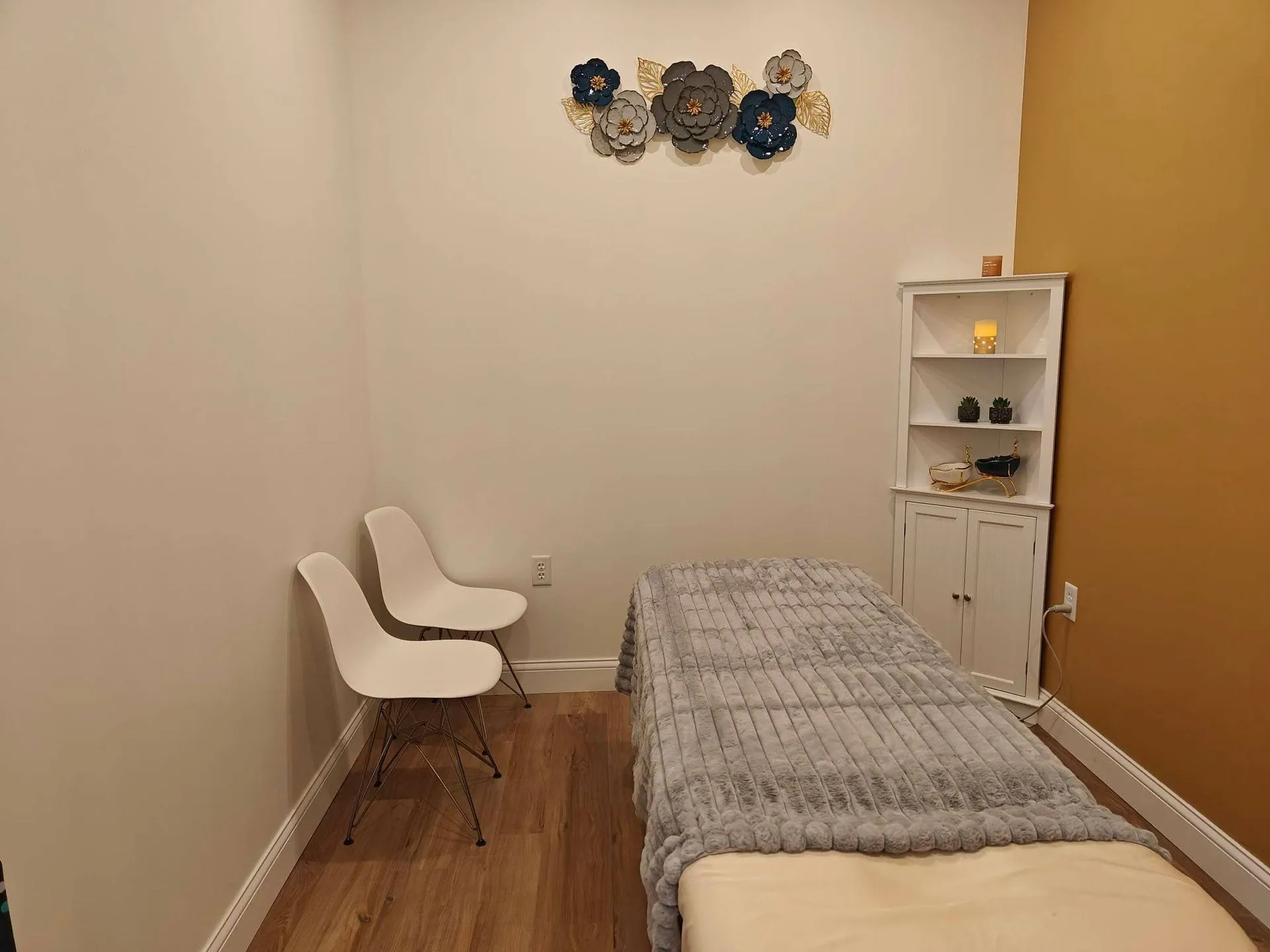
A conversation first, then the table, then a few minutes to come back round before
you get dressed. The shape is the same whichever of the four you booked; what changes
is the pressure, the pace, and how much of the body gets covered.
Before you get on the table
Your therapist asks what you want out of the hour and what to leave alone. Say where
it hurts, what you are taking, whether you are pregnant, and whether anything is
recent — surgery, an injury, a diagnosis. Say what pressure you like, too. Then you
are left alone to undress to whatever you are comfortable with and get under the
sheet.
Draping, and who sets the pressure
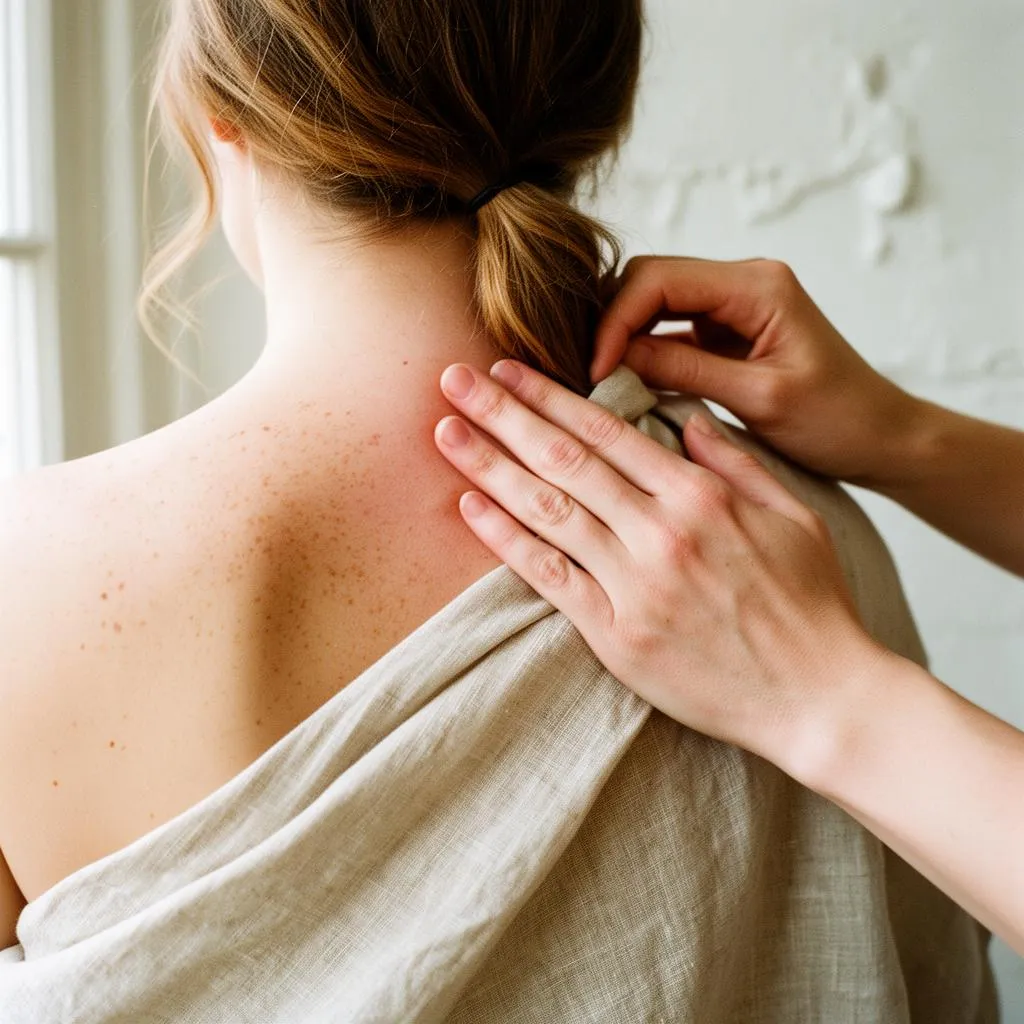
You stay draped for the whole session and only the area being worked on is uncovered.
The pressure is yours to move in either direction at any point — lighter across a
bruise, deeper across a shoulder that is not giving. Deep tissue can be uncomfortable
in the places that need it, which is not the same thing as painful, and one word
brings it down immediately.
Afterwards
Drink water, move gently, and leave hard training until later in the day. Soreness the
next morning is normal after deep tissue and settles on its own. If you want the same
therapist again, rebook before you leave — and if plans change,
24 hours' notice keeps the cancellation free, while late
cancellations and no-shows are charged 50% of the service.
When to book something else instead
Check with a healthcare professional first if you have a fever or a contagious
illness, a skin infection or an open wound, recent surgery, a blood-clotting disorder,
severe osteoporosis, certain heart conditions, or a high-risk pregnancy. Massage eases
muscle tension and helps with stress — it is a wellness service rather than medical
care, and it does not diagnose or treat a condition. If the tightness you want worked
on sits mostly in the scalp and the base of the neck, the
Korean head spa
covers the scalp, neck and shoulders instead.